Choosing a title that captures the raw sadness of classical music can be daunting—should it be Chords of Sorrow, Notes of Grief, or Weeping Strings? Yet, none of these options fully reflects the core paradox of the genre: that this profound melancholy is wrapped inside absolute grandeur, high society, and opulent, world-class architecture like the golden Musikverein in Vienna or the Elbphilharmonie in Hamburg. There is a striking clash between the dark emotion triggered by the sound and the bright elegance of the venues.
Are these sad emotions present throughout the entire event? Not at all. Walk into the Musikverein on a bustling evening, and you are welcomed by jubilant chatter, shimmering gold, and the clinking of champagne glasses. It feels utterly triumphant. Yet, the moment the conductor raises the baton and the first chord echoes through the hall, that bright armor vanishes. Suddenly, hundreds of strangers in formal attire are forced to sit together in absolute silence—a silence that forces an inner dialogue, one that typically triggers deep, melancholic introspection. In the end, this raw sorrow is sandwiched tightly between the initial awe of the symphony’s monumental skill and the thunderous, recurring applause at the finale.
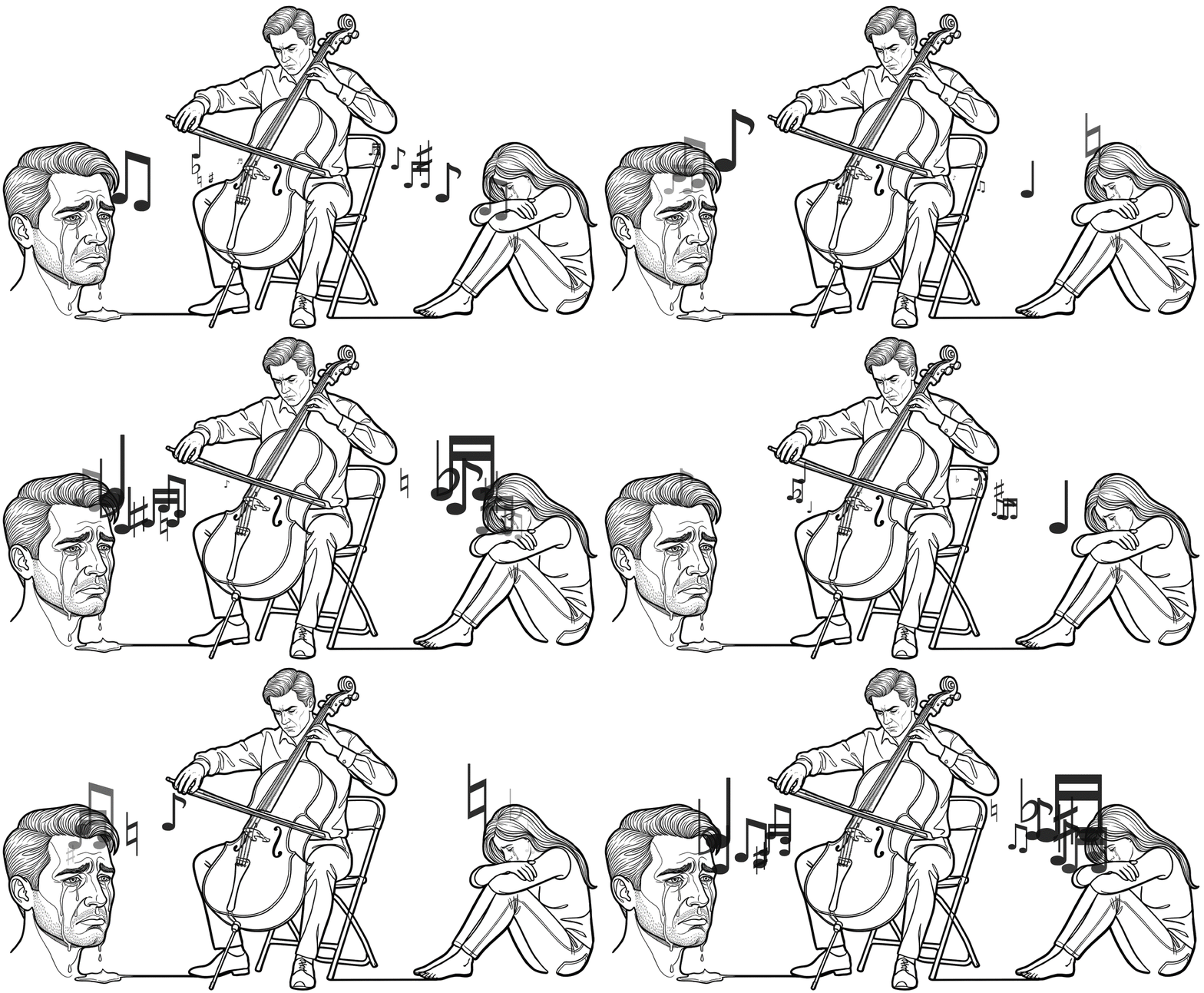
Cruelly, many of the genre’s masterpieces were conceived by composers who were broken, broke, or grieving in dark, cramped rooms. Take Tchaikovsky’s final masterpiece—the 6th Symphony (Pathétique)—which he wrote in a deeply depressed state and passed away a mere nine days after its premiere. It is no wonder we feel sad; we are listening to their tragedies articulated by the weeping of strings. Yet, a beautiful comfort emerges from this collective solitude. You sit shoulder-to-shoulder with hundreds of strangers, all sharing the exact same silence under dimmed lights. You cannot see one another, but you can feel that everyone in the auditorium has just been forced into the exact same dark corner of their own minds. You are isolated, yet together in a crowd.
Music is a means capable of expressing dark dramatism and pure rapture, suffering and ecstasy, fiery and cold fury, melancholy and wild merriment – and the subtlest nuances and interplay of these feelings which words are powerless to express and which are unattainable in painting and sculpture — Dmitri Shostakovich
Much of this melancholy is structurally coded into the very mechanics of classical music—specifically, its slow, deliberate pacing and the total absence of lyrics. While pop music relies on a vibrant, lyric-heavy framework to uplift and energize, classical compositions typically adopt the opposite approach. The genre employs measured pauses and an unhurried tempo that downshifts our internal pace, guiding us toward deep, inescapable introspection. Because there are no words to dictate a specific storyline, the orchestration provides an expansive, blank canvas. Without a verbal narrative to anchor the imagination, we are instinctively driven to fill that empty space with our own unvoiced sorrows.
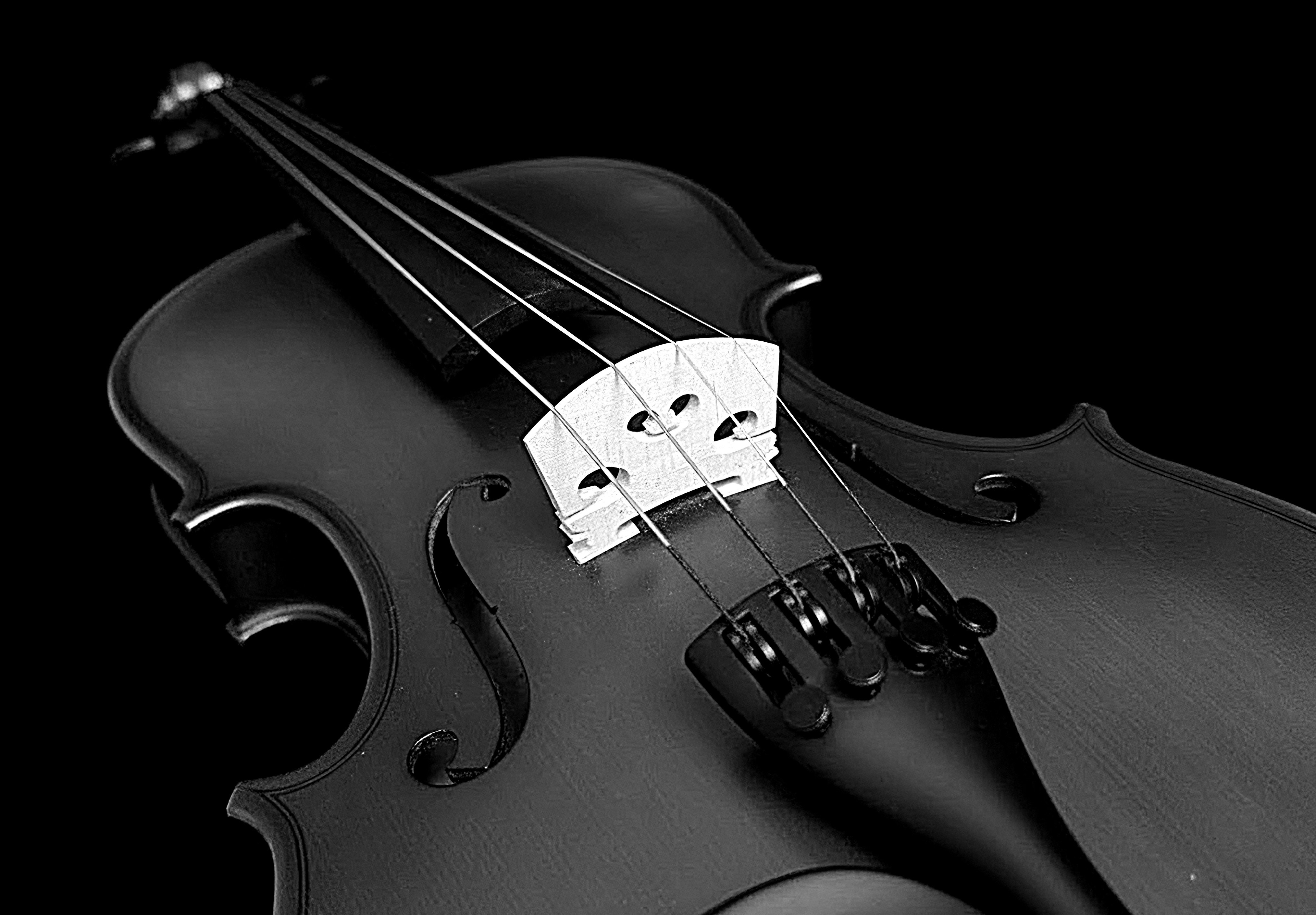
The pristine engineering of these venues only exacerbates this emotional trap. In a typical room, sound bounces around irregularly and gets muddy. But in these world-class halls, the acoustics are so precise that a single musical note from a solitary violin on the stage can be heard across the entire auditorium without any loss of quality. The architectural design entirely removes the distance between the orchestra and audience, creating an enveloping resonance where the sound wraps around you like a heavy, velvet blanket, burying you deep inside your sad thoughts. Yet, it is not all doom and gloom. Personally, I love the intimate nature of smaller chambers where the need for electronic amplifiers is entirely eliminated. This leaves only the “virgin instrument sound”—an experience that is deeply hypnotic, especially when the music is intricately layered and multi-textured. Miniature halls also permit a close-up look at the virtuoso. Watching the resin fly off the bow, you witness the visceral, physical labor required to evoke sadness. Each bow stroke generates a note that triggers a unique sad memory from our subconscious, intertwining tangible grief and bow motion. You can literally see the sound.
My next stop will be the Beethovenhalle in Bonn. But given the raw sadness attached to this genre, why do I still find myself visiting a symphonic hall in nearly every city I travel to? Perhaps the ultimate question is how you prefer to confront the lingering sadness: is it better to experience it live inside a grand, world-class venue, or is it better in the quiet intimacy of home, as the symphony spins softly from a vinyl record?